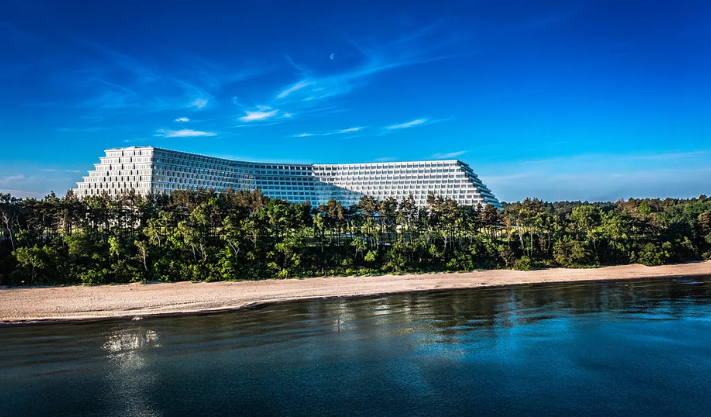
The tourism sector in the German state of Mecklenburg-Vorpommern is increasingly watching developments across the border with a mix of curiosity and concern. Just a short distance away, on the Polish Baltic coast in the town of Pobierowo, a massive new hotel complex is rising that many observers have already dubbed a “little Dubai by the Baltic.” The project, known as the Gołębiewski Hotel, has become one of the most ambitious tourism developments in the region, and its scale is drawing attention from both sides of the German-Polish border.
For tourism businesses in Mecklenburg-Vorpommern, the project represents both opportunity and uncertainty. The German Baltic coast has long been a popular destination for travelers seeking beaches, nature, and traditional seaside resorts. However, the emergence of a huge, modern resort complex just across the border has sparked worries that tourists—and even hospitality workers—could be drawn away by new attractions, higher wages, or different job opportunities.
The Gołębiewski Hotel in Pobierowo is difficult to miss. The enormous building stretches along the coastline and has often been compared to a cruise ship that has run aground on the beach. Its size and design make it one of the largest hotels in the Baltic region, and it stands in stark contrast to the smaller, more traditional resorts that dominate much of the surrounding coastline. The project is intended to transform Pobierowo into a major international holiday destination.
Originally, the hotel was expected to open its doors in 2021. However, delays in construction and other challenges have repeatedly pushed the opening date further into the future. Years later, the building still has not officially welcomed its first guests, although work on the complex has continued. The unfinished structure has become something of a landmark in the area, attracting attention from tourists and media outlets alike.
Despite the delays, the developers appear to be preparing for the long-awaited opening. In a Facebook post published on January 21, the Gołębiewski company signaled that the launch could finally be approaching. The message stated that a new hotel in Pobierowo would be opening soon, and it included a call for staff to join the team.
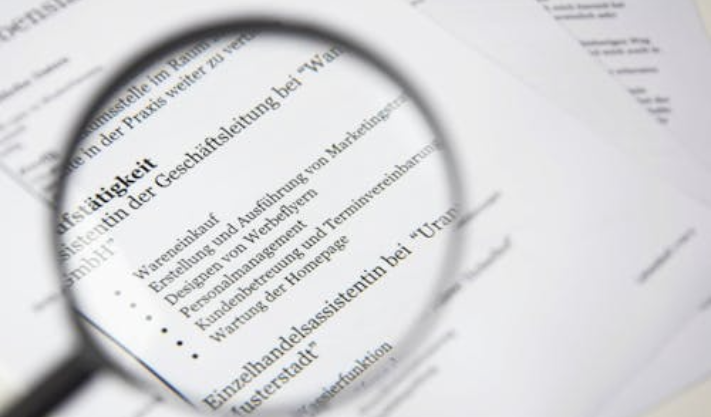
The recruitment announcement listed a wide range of positions that need to be filled before the hotel can begin operating. Among the roles advertised are housekeepers, cooks, receptionists, and other hospitality staff essential for running a large resort. The number of vacancies suggests that the hotel will require a significant workforce once it becomes operational.
This hiring campaign has further fueled concern in neighboring German regions. Tourism businesses in Mecklenburg-Vorpommern depend heavily on seasonal workers, and competition for staff has become increasingly intense in recent years. If the Polish mega hotel offers attractive wages or modern working conditions, some workers might choose to cross the border for employment.
Local hotel owners and tourism officials are therefore watching the situation closely. While competition is a natural part of the tourism industry, the sheer size of the Gołębiewski project makes it a unique development in the Baltic region. Its facilities are expected to include thousands of rooms, large conference areas, entertainment spaces, and extensive leisure attractions designed to appeal to families and international visitors.
Supporters of the project argue that it could benefit the broader region by bringing more tourists to the Baltic coast overall. Increased visibility for the area might encourage visitors to explore both Polish and German destinations during their trips. Cross-border tourism is already common in this part of Europe, and improved infrastructure and cooperation could strengthen that trend.
Critics, however, worry about environmental impacts and the visual effect of such a massive structure on the natural coastline. The Baltic Sea is known for its relatively unspoiled landscapes, and some observers fear that large-scale developments could change the character of the region.
For now, much remains uncertain. The hotel’s exact opening date has not been officially confirmed, and construction activity continues. Nevertheless, the recruitment drive indicates that the operators are moving closer to welcoming their first guests.
As anticipation grows, tourism professionals in Mecklenburg-Vorpommern are keeping a watchful eye on their neighbor’s ambitious project. Whether the Gołębiewski Hotel becomes a major magnet for visitors, or simply another addition to the Baltic tourism market, will likely become clear once its doors finally open. Until then, the massive building on the Polish coast continues to stand as a symbol of the changing dynamics of tourism along the Baltic Sea.