Introduction: Why Are Founders Becoming Bigger Than Their Companies?
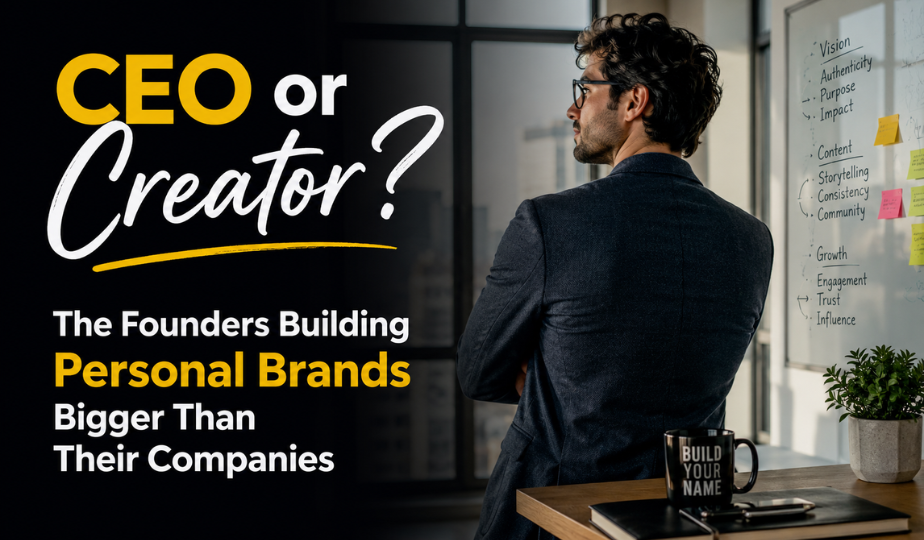
In today’s digital-first business world, founders are no longer just behind-the-scenes leaders. Many entrepreneurs are becoming the face, voice, and identity of their companies. Their personal brands are attracting customers, investors, employees, and global communities even before people know the name of their businesses.
The traditional idea of a CEO focused mainly on operations, strategy, and financial growth is changing. Modern founders are becoming creators, storytellers, educators, and community builders. Their personal influence often becomes a powerful business asset.
So, are today’s successful founders CEOs or creators? The answer is increasingly both.
What Is the Difference Between a CEO and a Creator Founder?
A CEO traditionally focuses on building and managing a company. Their responsibilities include decision-making, leadership, hiring, financial planning, and business expansion.
A creator founder goes beyond running a business. They actively build an audience through content, personal storytelling, social media, podcasts, videos, newsletters, and public conversations.
The modern founder combines both roles:
CEO = Builds the company.
Creator = Builds trust and influence.
When these two identities merge, founders can create brands that are stronger than traditional corporate marketing.
Why Are Founders Investing in Personal Brands?
Personal branding has become one of the most valuable growth strategies for entrepreneurs. People connect with people before they connect with companies.
A strong founder brand helps businesses:
- Build customer trust faster
- Create stronger communities
- Attract better talent
- Increase media visibility
- Generate business opportunities
- Establish industry authority
In a crowded marketplace, a founder’s story can become the biggest competitive advantage.
Who Are the Founders Building Personal Brands Bigger Than Their Companies?
Many global entrepreneurs have demonstrated how personal influence can transform business growth.
Elon Musk is one example of a founder whose public identity has become globally recognized alongside companies like Tesla and SpaceX. His opinions, announcements, and online presence regularly influence conversations around technology and innovation.
Richard Branson built a reputation not only as a businessman but also as an adventurous entrepreneur and storyteller. His personal image became closely connected with the Virgin brand.
Similarly, many startup founders today are using platforms like LinkedIn, YouTube, and podcasts to create audiences that support their businesses.
FAQ: CEO or Creator? Understanding the Rise of Founder-Led Brands
Why Are Founders Becoming Content Creators?
Founders are becoming content creators because attention has become a major business advantage.
In the past, companies depended heavily on advertisements and traditional media. Today, founders can directly communicate with millions of people through digital platforms.
By sharing their experiences, lessons, failures, and visions, entrepreneurs create authentic relationships with their audiences.
A founder’s content can often achieve what expensive advertising campaigns cannot: trust.
Can a Personal Brand Become More Valuable Than a Company?
Yes, a founder’s personal brand can sometimes become more valuable than the company itself.
A company can change products, strategies, or leadership, but a strong personal reputation can continue creating opportunities.
For example, investors often look at the founder’s credibility before investing in a startup. Customers may follow a founder’s journey and support future businesses they create.
A respected founder becomes a long-term business asset.
Why Do People Trust Founders More Than Corporate Brands?
People naturally connect with human stories.
A corporate message may feel carefully designed, but a founder sharing personal experiences often feels more authentic.
Audiences want to know:
- Who created this company?
- What problem are they solving?
- Why does this mission matter?
- What challenges did they overcome?
Founder storytelling answers these questions and builds emotional connections.
What Platforms Are Founders Using to Build Their Personal Brands?
Modern founders use multiple platforms to grow their influence, including:
LinkedIn has become one of the most powerful platforms for entrepreneurs to share business insights, leadership lessons, and company updates.
YouTube
Video content allows founders to explain ideas, share interviews, and create deeper relationships with audiences.
Podcasts
Many entrepreneurs use podcasts to discuss industries, innovation, leadership, and personal experiences.
Social Media Platforms
Platforms such as X, Instagram, and other digital communities allow founders to communicate instantly with global audiences.
What Makes a Successful Founder Personal Brand?
A successful founder brand is built on authenticity, consistency, and value.
The strongest founder brands usually include:
A Clear Personal Story
People remember stories more than sales messages. Founders who explain their journey create stronger connections.
Industry Knowledge
Sharing expertise helps founders become recognized voices in their fields.
Consistent Communication
A personal brand grows through regular engagement, not occasional posts.
Genuine Personality
Audiences respond to real experiences, opinions, and lessons.
Are Founder Brands Replacing Traditional Marketing?
Founder branding is not replacing traditional marketing, but it is changing how businesses approach growth.
Companies still need advertising, partnerships, and professional marketing strategies. However, founder visibility adds another layer of trust and recognition.
A company with a visible founder often has an advantage because customers feel connected to the mission behind the business.
What Are the Risks of Building a Founder-Led Brand?
While personal branding offers many benefits, it also creates challenges.
A founder’s public image becomes closely connected to the company. Mistakes, controversial statements, or poor communication can affect business reputation.
Successful founders must balance:
- Personal expression
- Professional responsibility
- Company values
- Audience expectations
A strong personal brand requires careful management.
Why Are Younger Entrepreneurs Becoming Creator CEOs?
Younger entrepreneurs grew up in a digital environment where creating content and building communities are normal parts of life.
They understand that attention is a valuable resource.
Instead of waiting for traditional media coverage, they create their own platforms, build audiences, and turn followers into customers.
The creator CEO model represents a new generation of entrepreneurship where influence and innovation work together.
What Is the Future of Founder Branding?
The future of business will likely see more founders becoming public figures.
Entrepreneurs will not only build companies; they will build communities, educational platforms, and personal ecosystems.
The next generation of successful founders will combine:
- Business leadership
- Storytelling skills
- Digital communication
- Community building
- Industry expertise
The founder is becoming the brand.
Final Thoughts: The Rise of the Creator CEO
The modern entrepreneur is no longer limited to the traditional CEO role. Today’s founders are leaders, creators, educators, and storytellers.
A company may create products, but a founder creates belief.
As digital platforms continue to grow, personal brands will become one of the most powerful tools for entrepreneurship. The founders who understand how to combine business strategy with authentic storytelling will shape the future of global business.
The question is no longer only, “What company did you build?”
Also Read:-
The CEO Playbook: 7 Decisions of Billion-Dollar Founders
Gulf CEOs Transforming Old Money into New Global Power
10 CEOs Under 35 Quietly Reshaping Global Business Today