
Introduction
Saudi Arabia’s retail and fintech sectors are undergoing a dramatic transformation, and at the center of this shift are two fast-growing Buy Now, Pay Later (BNPL) giants: Tamara and Tabby. These companies have revolutionized how consumers shop, pay, and manage their finances in the Kingdom and across the Gulf region. As digital payments continue to expand and younger consumers demand more flexible financial solutions, Tamara and Tabby are competing fiercely to dominate one of the Middle East’s fastest-growing fintech markets.
The rise of BNPL services has changed shopping behavior in Saudi Arabia by making purchases more accessible without the immediate burden of full payment. Instead of relying on traditional credit cards, customers can divide payments into smaller installments, often interest-free. This simple concept has fueled explosive growth in online shopping, fashion retail, electronics, travel, and lifestyle spending.
Today, Tamara and Tabby are not just fintech startups. They are reshaping the future of retail finance in the Gulf.
What Is BNPL and Why Is It Growing?
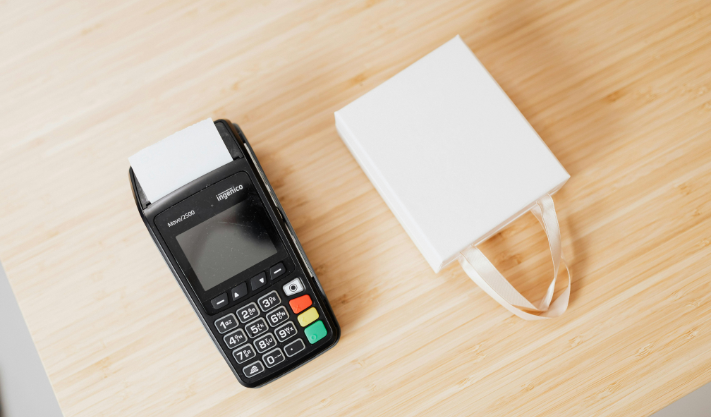
Image Credit:-Pexels
Buy Now, Pay Later allows consumers to purchase products instantly and pay for them over time through scheduled installments. The model became globally popular because it offers convenience, flexibility, and easier access to products without traditional bank loans.
Key Reasons BNPL Is Growing in Saudi Arabia
1. Young Digital Population
Saudi Arabia has one of the youngest populations in the region, with millions of tech-savvy consumers who prefer mobile payments and digital banking solutions.
2. E-Commerce Expansion
Online shopping has grown rapidly in the Kingdom, especially after the pandemic accelerated digital adoption.
3. Vision 2030 Support
Saudi Arabia’s Vision 2030 initiative encourages fintech innovation and cashless payment systems, creating opportunities for companies like Tamara and Tabby.
4. Credit Card Alternatives
Many consumers prefer installment-based systems without high-interest credit card debt.
5. Mobile-First Shopping Habits
Consumers increasingly shop through apps and social media platforms where BNPL integration is seamless.
Tamara: Saudi Arabia’s Homegrown BNPL Challenger

Tamara emerged as one of Saudi Arabia’s leading fintech success stories. Founded in Riyadh, the company quickly expanded across the Gulf by offering flexible payment options to consumers and merchants.
Why Tamara Stands Out
Local Market Understanding
Tamara’s strong understanding of Saudi consumer behavior helped it create tailored payment solutions for regional shoppers.
Strong Retail Partnerships
The platform partnered with major fashion, beauty, electronics, and lifestyle brands, increasing its visibility among younger consumers.
User-Friendly Experience
Tamara’s mobile app and checkout integration are designed for simplicity, making installment payments fast and accessible.
Regional Expansion
The company has expanded beyond Saudi Arabia into the UAE and other Gulf markets, aiming to become a regional fintech powerhouse.
Tabby: The UAE-Based Rival Expanding Aggressively
Tabby has become one of the most recognized BNPL brands in the Middle East. While headquartered in the UAE, the company has built a strong presence in Saudi Arabia through aggressive expansion and strategic partnerships.
What Makes Tabby Competitive?
Massive Merchant Network
Tabby works with thousands of retailers across fashion, electronics, beauty, and travel sectors.
Flexible Payment Options
Customers can split payments into multiple installments without interest charges.
Strong Brand Marketing
Tabby invested heavily in influencer campaigns, social media visibility, and customer acquisition strategies.
Funding and Investor Support
The company attracted major global investors, allowing it to scale rapidly across the region.
How Tamara and Tabby Are Changing Consumer Behavior

The BNPL revolution is impacting how people think about spending, budgeting, and shopping.
Major Consumer Shifts
Increased Online Spending
Consumers are more willing to make larger purchases when payments are divided into smaller installments.
Faster Checkout Decisions
BNPL reduces hesitation during online shopping by lowering upfront costs.
Growth in Luxury and Fashion Purchases
Many shoppers use installment services for premium fashion, beauty, and electronics.
Financial Flexibility
Consumers can better manage monthly budgets without relying on traditional loans.
Industries Benefiting From BNPL Growth
Tamara and Tabby are helping multiple industries grow faster.
Key Sectors Seeing Major Impact
Fashion Retail
Clothing and luxury brands have seen strong increases in conversion rates through BNPL options.
Electronics
Smartphones, laptops, and gaming products are increasingly purchased using installment plans.
Beauty and Wellness
Cosmetics and skincare brands benefit from easier consumer access to premium products.
Travel and Hospitality
Travel bookings and holiday packages are now commonly offered through installment payments.
Home and Furniture
Consumers are using BNPL services for large home purchases without immediate financial pressure.
Challenges Facing the BNPL Industry
Despite rapid growth, the BNPL sector also faces important challenges.
1. Rising Competition
The market is becoming crowded as more fintech companies enter the region.
2. Regulatory Pressure
Governments and financial regulators are increasing oversight to ensure responsible lending practices.
3. Consumer Debt Concerns
Critics warn that installment spending may encourage unnecessary purchases and overspending.
4. Profitability Questions
Many BNPL companies prioritize growth over profits, creating long-term sustainability concerns.
5. Fraud and Risk Management
Managing repayment risks and digital fraud remains a major challenge for fintech firms.
Saudi Arabia’s Fintech Boom
The success of Tamara and Tabby reflects a broader fintech explosion across Saudi Arabia.
Why Saudi Arabia Is Becoming a Fintech Hub
- Government support for digital finance
- Increased startup investments
- Rising smartphone penetration
- Strong banking infrastructure
- Growing venture capital activity
- Consumer demand for digital services
Saudi Arabia aims to become a leading regional financial technology center under Vision 2030, and BNPL companies are playing a key role in this transformation.
The Battle for Market Leadership
The rivalry between Tamara and Tabby is intensifying as both companies compete for merchants, users, and market share.
Areas of Competition
Customer Experience
Both firms are investing heavily in smoother mobile apps and checkout systems.
Merchant Partnerships
Exclusive partnerships with top retailers help attract loyal users.
Marketing Campaigns
Aggressive advertising and influencer collaborations are driving brand recognition.
Technology Innovation
AI-driven financial tools and smarter credit systems are becoming competitive advantages.
Geographic Expansion
Each company aims to dominate not just Saudi Arabia but the wider GCC market.
The Future of BNPL in Saudi Arabia
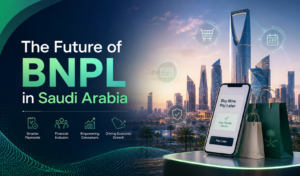
The future of BNPL in the Kingdom appears highly promising as digital commerce continues to grow.
Trends Expected in the Coming Years
- More partnerships with global brands
- Expansion into banking and financial services
- AI-powered consumer financing tools
- Greater regulatory frameworks
- Higher adoption among offline retailers
- Increased competition from banks and tech firms
Tamara and Tabby may eventually evolve beyond installment payments into full digital financial ecosystems.
Conclusion
Tamara and Tabby are doing far more than offering installment payments. They are reshaping how Saudi consumers interact with money, retail, and digital finance. Their rapid growth reflects a major cultural and economic shift toward convenience-driven financial technology across the Gulf region.
As Saudi Arabia accelerates its Vision 2030 ambitions, BNPL platforms are becoming powerful drivers of fintech innovation and e-commerce expansion. Whether through aggressive expansion, advanced technology, or strategic partnerships, Tamara and Tabby are defining the future of shopping in the Middle East.
The battle between these two fintech giants is not just about payments. It is about who will lead the next generation of digital commerce in Saudi Arabia.
Also Read:-
From Oil to Algorithm: UAE’s Clean Energy Startups
UAE’s PropTech Boom in Q1 2026
Fintech Kings of the Gulf