A Fragile Pause in a Volatile Conflict
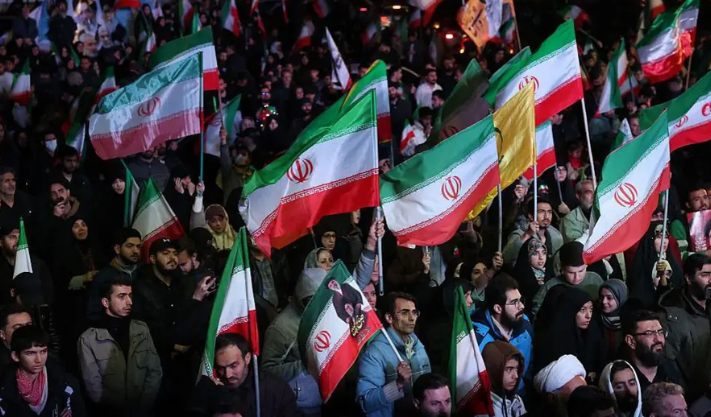
The recent agreement between the United States and Iran marks a critical turning point in a conflict that has threatened to spiral into a broader regional war. After weeks of escalating tensions, military strikes, and global concern, both nations have agreed to a conditional two-week ceasefire tied directly to the reopening of the Strait of Hormuz—one of the most strategically vital waterways in the world. This temporary truce does not signal a permanent resolution but rather creates a narrow window for diplomacy while tensions remain fragile and unpredictable.
The ceasefire emerged at a moment of heightened urgency, as the risk of wider conflict loomed large. With global attention focused on the region, the agreement reflects a calculated decision by both sides to pause hostilities without abandoning their broader strategic objectives. It is, in essence, a tactical reset rather than a definitive peace.
The Strategic Importance of the Strait of Hormuz
At the center of this agreement lies the reopening of the Strait of Hormuz, a narrow yet immensely critical passage connecting the Persian Gulf to international waters. This chokepoint has long been one of the most sensitive geopolitical flashpoints, but the recent crisis elevated its importance to new heights. A significant portion of the world’s oil supply flows through this corridor, making it indispensable to global energy security.
Disruptions in the strait during the conflict sent shockwaves through international markets. Oil shipments slowed, uncertainty surged, and economies worldwide felt the ripple effects. The agreement to reopen the waterway offers immediate relief, restoring a degree of stability to energy flows and calming market anxieties—at least for the time being.
Conditions Behind the Ceasefire
This ceasefire is not unconditional. It is built on a framework of mutual compliance, where both sides must adhere to clearly defined expectations. Iran is expected to ensure safe and uninterrupted passage for commercial and energy vessels through the Strait of Hormuz, while the United States is required to halt military operations targeting Iranian assets.
The conditional nature of the agreement highlights the deep mistrust that continues to define relations between the two nations. Neither side has conceded its broader strategic interests, and both remain cautious, viewing the ceasefire as a temporary arrangement rather than a lasting solution.
Diplomatic Channels and Mediation Efforts
Behind the scenes, diplomatic efforts played a crucial role in bringing both sides to the negotiating table. Indirect communication channels, facilitated by regional and international actors, helped reduce misunderstandings and create space for dialogue. These mediation efforts demonstrate the importance of diplomacy even in the most tense geopolitical situations.
The involvement of third-party facilitators underscores a broader trend in international relations, where neutral or regional players act as intermediaries in conflicts involving major powers. Such efforts are often essential in bridging gaps when direct communication is strained or politically sensitive.
Global Economic Implications
The reopening of the Strait of Hormuz carries immediate and far-reaching economic implications. As a vital artery for global oil shipments, any disruption in this region has the potential to trigger widespread economic instability. The ceasefire, therefore, brings a sense of temporary relief to global markets.
Oil prices, which had surged amid fears of prolonged disruption, are likely to stabilize as shipments resume. Investors and policymakers alike view the agreement as a positive, albeit short-term, development. However, the temporary nature of the ceasefire means that uncertainty still lingers, and markets remain sensitive to any signs of renewed tension.
Regional and Geopolitical Tensions Persist
While the ceasefire between the United States and Iran is significant, it does not resolve the broader geopolitical challenges in the region. Long-standing issues, including security concerns, regional influence, and strategic rivalries, continue to shape the dynamics of the conflict.
Other regional actors remain deeply involved, and their actions could influence the stability of the ceasefire. The situation remains complex, with multiple layers of conflict and competing interests that extend beyond the immediate agreement.
A Window for Future Negotiations
Despite its temporary nature, the ceasefire creates an opportunity for more substantive negotiations. The two-week pause provides a critical window for diplomatic engagement, allowing both sides to explore potential pathways toward a longer-term resolution.
Whether this opportunity will be fully utilized remains uncertain. Achieving a lasting agreement will require compromise, political will, and sustained diplomatic effort—factors that are often difficult to align in such high-stakes situations.
Uncertainty and the Road Ahead
The agreement represents a significant de-escalation, but it also underscores the fragility of the current situation. The temporary ceasefire serves as a reminder that while conflict can be paused, it is far more challenging to resolve the underlying issues that drive it.
The coming weeks will be crucial in determining whether this ceasefire leads to meaningful progress or simply delays further confrontation. Both nations, along with the international community, will be closely watching how events unfold.
Conclusion: A Moment of Cautious Hope
In a time of heightened global uncertainty, the ceasefire between the United States and Iran offers a moment of cautious optimism. It demonstrates that even amid intense conflict, diplomacy can create opportunities for de-escalation and dialogue.
However, the true test lies ahead. The success of this agreement will depend not just on maintaining the ceasefire, but on using this pause as a foundation for building a more stable and peaceful future. Until then, the world remains watchful, aware that the balance between conflict and cooperation in this region is as delicate as ever.
Also Read:
Architects of Change: Entrepreneurs Crafting New Economies
Innovation Drivers: Entrepreneurs Leading with Purpose
Pioneers of Progress: Entrepreneurs and CEOs Shaping the Future of Business