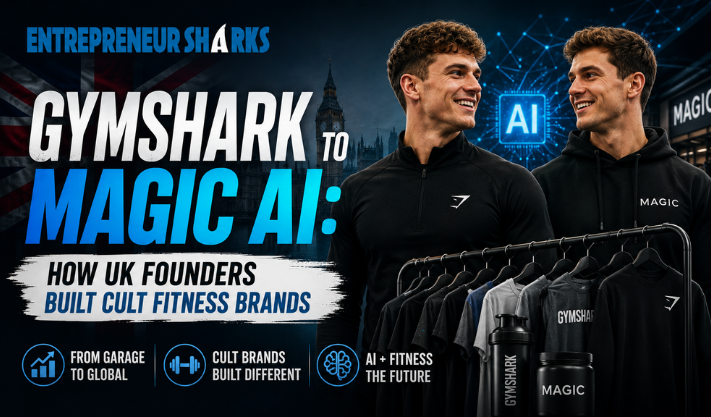
The Rise of Britain’s Fitness Entrepreneurship Revolution
Over the last decade, the United Kingdom has quietly become one of the world’s strongest hubs for fitness innovation and wellness entrepreneurship. From gym apparel and supplements to AI-powered coaching platforms and digital wellness ecosystems, British founders have transformed simple ideas into globally recognized cult fitness brands. Companies such as Gymshark and emerging innovators like MAGIC AI represent a new generation of businesses that combine technology, community, branding, and lifestyle into powerful consumer movements.
What makes these brands unique is that they are not simply selling products. They are selling identity, motivation, and belonging. Modern fitness consumers no longer just want workout clothes or exercise programs. They want inspiration, online communities, transformation stories, and brands that reflect their personal ambitions. UK founders understood this shift earlier than many traditional fitness companies and built businesses that connected emotionally with audiences worldwide.
Gymshark: The Brand That Changed Fitness Fashion
One of the most successful examples of this movement is Gymshark, founded in 2012 by Ben Francis in Birmingham, England. What started as a small business operated from a garage quickly became one of the world’s most influential fitness apparel brands. Unlike traditional sportswear companies that relied heavily on celebrity athletes and expensive advertising campaigns, Gymshark focused on social media creators and fitness influencers long before influencer marketing became mainstream.
Ben Francis recognized that fitness culture was rapidly moving online. Platforms such as YouTube, Instagram, and TikTok were creating a new generation of fitness personalities with loyal audiences. Instead of competing directly with giant corporations through television advertising, Gymshark partnered with fitness creators who inspired millions of young people daily. This strategy gave the brand authenticity and helped it build a deeply engaged global community.
Gymshark’s success also came from understanding aesthetics and identity. The company designed products specifically for modern gym culture, focusing on body-fit designs, comfort, and visually appealing activewear. Customers were not simply buying leggings or workout shirts; they were buying into a lifestyle associated with confidence, discipline, and transformation.
As the company expanded internationally, Gymshark became more than a fitness clothing business. It evolved into a digital-first culture brand powered by storytelling, online engagement, and community loyalty. Today, it stands as one of the biggest examples of how UK entrepreneurship can compete globally against established multinational giants.
The Power of Community-Driven Fitness Brands
One reason cult fitness brands succeed is because they build communities instead of merely customer bases. British founders realized that fitness is deeply emotional. People work out not only for physical health but also for confidence, mental strength, discipline, and self-improvement. Brands that connect with these emotions create stronger loyalty than businesses focused purely on products.
Gymshark mastered this through events, athlete partnerships, transformation stories, and social media interaction. Customers felt seen and included in a larger movement. This community-first model became the blueprint for many modern fitness startups across the UK.
New companies entering the fitness space now prioritize engagement over traditional advertising. They invest heavily in content creation, online challenges, digital coaching, and community support systems. In today’s market, the strongest fitness brands behave more like media companies than retail businesses.
This shift also reflects changing consumer behavior. Younger audiences prefer authenticity, transparency, and relatability over polished corporate branding. UK fitness founders succeeded because they communicated directly with audiences and built trust through personal storytelling.
MAGIC AI and the Future of Intelligent Fitness
While Gymshark transformed fitness apparel, companies like MAGIC AI represent the next phase of the industry: intelligent and personalized fitness technology. Artificial intelligence is beginning to reshape how people train, recover, monitor performance, and maintain motivation.
MAGIC AI and similar startups focus on creating digital coaching experiences powered by machine learning, behavioral analysis, and data-driven personalization. Instead of generic workout programs, AI-powered systems can adapt routines based on user goals, energy levels, body metrics, and training history. This creates a more customized and engaging fitness experience.
The rise of AI in fitness reflects a broader trend within the wellness industry. Consumers increasingly want convenience, personalization, and real-time feedback. Smart fitness platforms can provide guidance similar to having a personal trainer available 24 hours a day. For busy professionals and remote workers, this accessibility is highly valuable.
British founders have been particularly strong in combining technology with lifestyle branding. Rather than presenting AI as cold or robotic, many UK startups position intelligent fitness platforms as empowering personal companions that support self-improvement and consistency.
Social Media and the New Fitness Economy
The growth of UK fitness brands would not have been possible without social media. Platforms like Instagram, TikTok, YouTube, and LinkedIn transformed fitness entrepreneurs into global personalities. This digital environment allowed startups to compete with established corporations without massive marketing budgets.
Gymshark became one of the most famous examples of influencer-driven branding, but the strategy expanded across the entire industry. Fitness coaches, nutrition experts, wellness creators, and AI fitness platforms now use short-form video content to educate and inspire audiences daily.
Social media also accelerated the speed at which trends spread globally. A fitness challenge created in London can become viral in New York, Dubai, or Sydney within hours. This interconnected digital culture helped UK fitness startups scale internationally much faster than traditional businesses of previous generations.
At the same time, audiences became more interested in holistic wellness rather than only bodybuilding or weight loss. Mental health, recovery, mobility, sleep optimization, and lifestyle balance became important parts of fitness branding. UK entrepreneurs adapted quickly by building broader wellness ecosystems instead of narrow fitness-only companies.
Challenges in the Competitive Fitness Industry
Despite their success, cult fitness brands face major challenges. The fitness industry is extremely competitive and trends change rapidly. Consumer attention is difficult to maintain, especially in a digital world where audiences constantly move between platforms and trends.
Brands must continuously innovate to remain relevant. Gymshark succeeded partly because it evolved from a startup mentality into a mature global business while still maintaining its community-driven identity. Many startups struggle during this transition because scaling often weakens authenticity.
AI fitness companies also face concerns related to data privacy, algorithm reliability, and user trust. As technology becomes more integrated into health and wellness, consumers expect transparency regarding how personal information is collected and used.
Another challenge is market saturation. Thousands of fitness brands launch every year, making differentiation increasingly difficult. The companies that survive are usually those that build strong emotional connections and provide genuine value rather than simply following temporary trends.
The Future of UK Fitness Innovation
The future of British fitness entrepreneurship looks incredibly promising. The combination of technology, social media, wellness culture, and digital commerce continues to create opportunities for innovative founders. From AI-driven coaching and wearable technology to recovery platforms and virtual fitness communities, the next generation of fitness brands will likely become even more personalized and interactive.
Gymshark proved that a small UK startup could challenge global giants through community and digital strategy. Emerging companies like MAGIC AI are now showing how artificial intelligence could transform the future of fitness experiences entirely.
What connects all these brands is their understanding that modern consumers seek more than products. They seek identity, motivation, belonging, and transformation. UK founders who successfully combine these emotional drivers with innovation continue to build some of the world’s most influential cult fitness brands.
The journey from Gymshark to MAGIC AI demonstrates how British entrepreneurship has evolved from traditional retail thinking into experience-driven innovation. These companies are not just shaping the fitness industry; they are redefining how people engage with health, technology, and personal growth in the modern world.
Also Read:-
Omnea: The AI Procurement Startup Leading UK Charts
HIVED: Reimagining Parcel Delivery for the Green Economy
The Rise of the Commuter Belt Founder Trend